
Heritage Hardware: When History Meets Modern Specifications
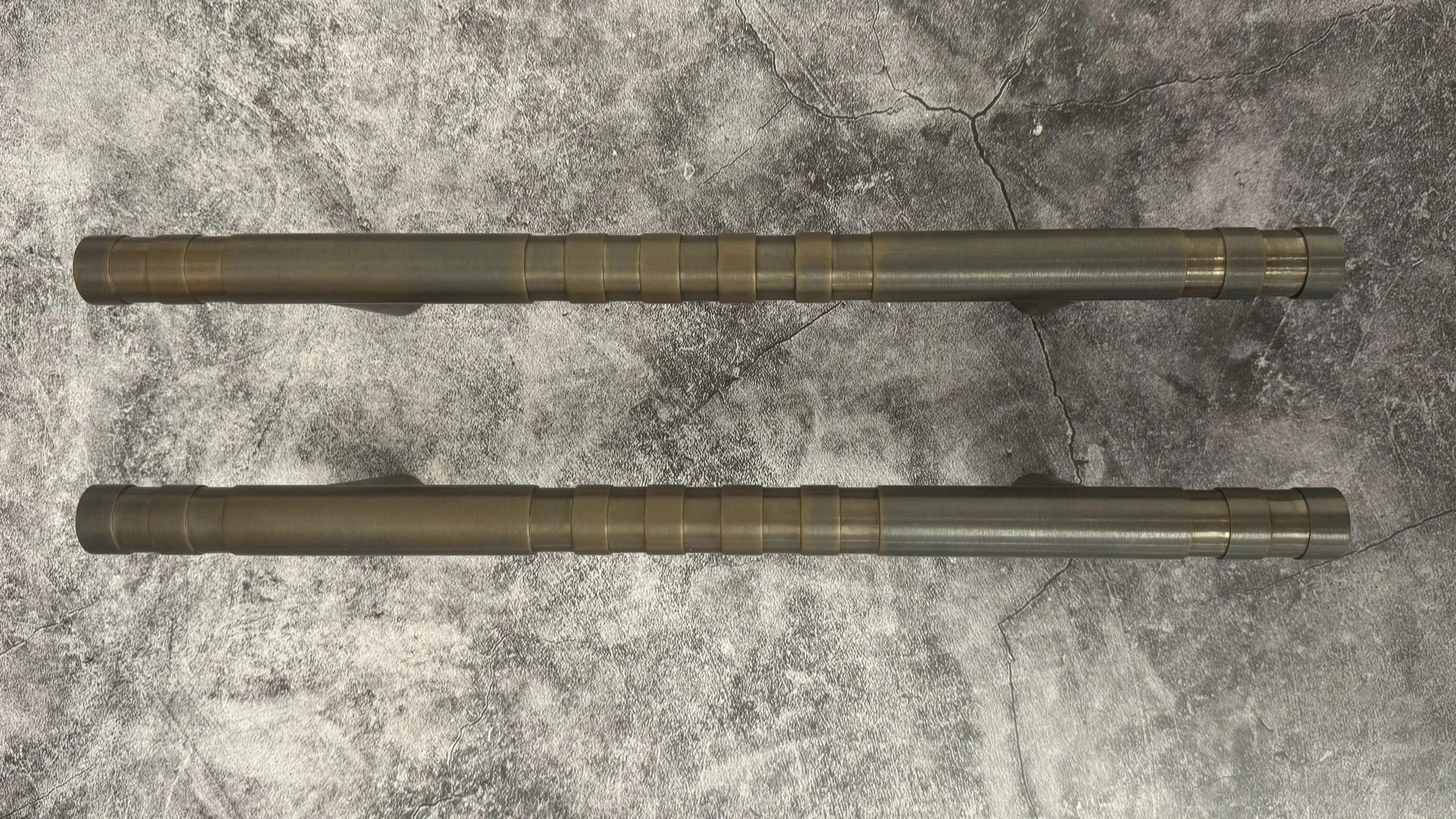
Every building tells a story. Listed buildings just have stricter editors.
If you’ve ever worked on a heritage project, you’ll know the moment. The architect’s vision is perfect. The client is excited. The drawings look beautiful. Then the heritage officer reviews the hardware specification, and everything grinds to a halt.
“Sympathetic to the period” is the phrase that haunts every heritage project. It sounds simple. It isn’t.
The Heritage Hardware Problem
Listed buildings in England and Wales are protected by law. Any alterations that affect the building’s character—including door furniture—need Listed Building Consent. That means the handles, hinges, letterboxes, and locks all fall under scrutiny.
The challenge is that heritage requirements and modern building regulations don’t always agree. A Victorian coaching inn needs hardware that looks period-appropriate. But it also needs to comply with current fire regulations, meet DDA accessibility standards, and satisfy Building Control.
You can’t just buy reproduction hardware from a catalogue and call it done. Reproduction handles often fail on three counts: they’re not fire-rated, they don’t meet accessibility requirements, and the finish rarely matches the rest of the building’s metalwork.
What “Sympathetic” Actually Means
Sympathetic design isn’t about making an exact copy of what was there before. It’s about understanding the design language of the building and creating hardware that belongs.
That means considering the proportions of existing metalwork throughout the building. The weight and feel that’s consistent with the period. The finish—not just the colour, but the texture and how it ages over time. And crucially, the way it functions within a modern compliance framework.
We’ve worked on projects where the heritage officer rejected the first sample because the casting was too clean. Modern CNC machining produces a smoother finish than Victorian-era manufacturing techniques. The solution was to introduce a secondary hand-finishing process that added subtle imperfections consistent with the period.
Nobody visiting the building would notice. The heritage officer noticed immediately.
The Three Common Mistakes
After 35 years of heritage work, we see the same problems repeatedly.
First: specifying hardware too late. Heritage approval takes time. If you leave hardware specification until the doors are being hung, you’re either accepting whatever’s available or delaying the project while bespoke pieces are manufactured. Getting us involved at design stage means heritage submissions include hardware details from the start.
Second: assuming “reproduction” equals “compliant.” A beautiful brass handle bought from a heritage hardware catalogue might look the part, but if it’s not fire-rated and the door is on a fire escape route, it’s going to fail Building Control inspection. Every single piece needs to meet current standards regardless of how old it looks.
Third: inconsistent finishes across the project. If the entrance handles, the internal furniture, and the bathroom accessories all come from different suppliers, you’ll get three different interpretations of “antique brass.” Even slight variations are visible in a heritage context where everything is expected to look cohesive.
How We Approach Heritage Projects
Every heritage project starts with a site visit. Not just to see the building, but to understand it. The existing metalwork tells us about the design language we need to match. The building’s use tells us about the functional requirements. The heritage listing tells us about the constraints.
From there, we produce design concepts that balance heritage sensitivity with modern compliance. Fire-rated mechanisms hidden behind period-appropriate faceplates. Accessible lever designs that reference the building’s original handle profiles. Finishes engineered to develop an authentic patina rather than applied to look aged.
We’ve supplied heritage hardware for coaching inns, theatres, municipal buildings, churches, and private estates across the UK. Every project is different. The process is the same: understand the building, respect its history, and make something that belongs.
The Long View
Heritage buildings have survived for centuries. The hardware we make for them needs to survive for decades, look right from day one, and age properly over time.
That’s a different brief to fitting handles in a new-build office. It requires a different approach, different materials, different finishing techniques, and a manufacturer who understands both the heritage requirements and the modern regulations.
If you’re working on a heritage project and need hardware that passes both the heritage officer and Building Control, we should talk.