
When Your Door Hardware Gets Stuck in the Upside Down
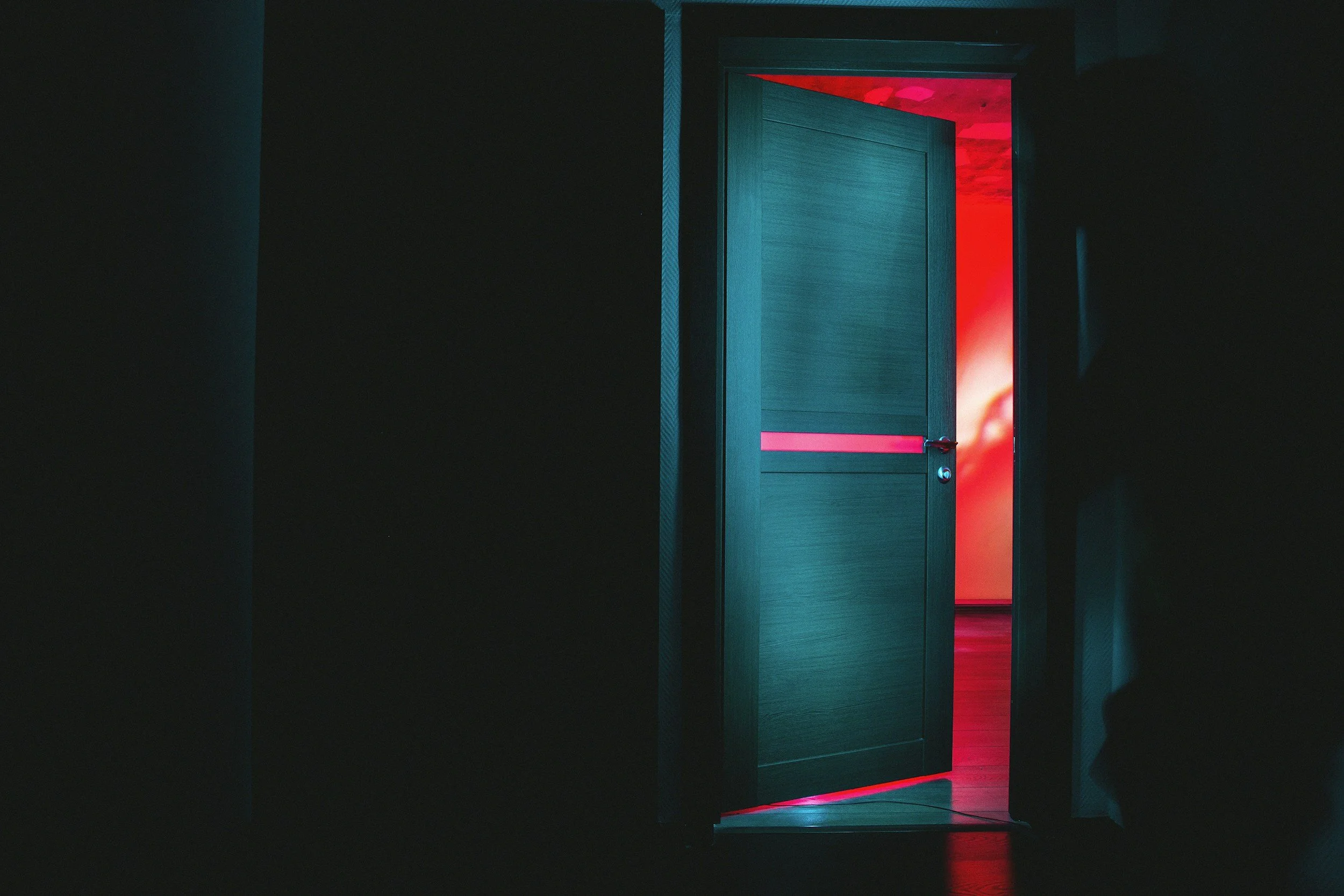
Stranger Things is back, and if you've spent the last three years wondering what happened to Hawkins after that massive portal tore the town apart, you're not alone. The final season's here, and we're not spoiling anything—but we do need to talk about entrances.
Because here's what Stranger Things has been about from day one: doors you shouldn't have walked through. Portals that seemed fine until they weren't. Entrances that changed everything the moment someone touched them.
Will Byers takes a shortcut through the woods. Barb sits by the wrong pool. Max walks into the school counsellor's office. Eleven opens a portal to another dimension because apparently that's what happens when you mess with doors in government facilities.
Every disaster in Hawkins starts with someone walking through the wrong entrance at exactly the wrong time.
Your business has an entrance too. And whilst it's considerably less likely to harbour interdimensional monsters, it's doing the same job: making a first impression the second someone touches it.
Your Customers Shouldn't Need Superpowers to Open Your Door
The show's set in the 1980s, and there's something deliberate about that choice beyond the nostalgia and the soundtrack.
The '80s were peak "things that actually worked." Your microwave lasted twenty years. Your car hit 200,000 miles without the check engine light staging a personal vendetta. And door handles? Your grandfather installed them in his shop and they're still there, still working, probably outlasting the business itself.
The kids in Hawkins still ride the same bikes they've had since the beginning. Those bikes have been through monsters, secret bases, and whatever's happening in that town this week. Still work perfectly.
Your door handles can't even make it through a British winter without looking rough.
Somewhere between the 1980s and now, we collectively decided that products breaking in two years was just... normal? That handles should stick, finishes should peel, and "good enough" was actually good enough?
The Portal Problem
Every season of Stranger Things revolves around portals—doorways between our world and something considerably worse. When they're closed, life's fine. When they're open, everything falls apart.
Strip away the supernatural horror, and that's exactly what your entrance does.
When it works? People barely notice. They walk in, they have a good experience, they leave, they come back.
When it doesn't work? When the handle sticks, when the finish looks cheap, when someone has to yank it three times before it opens, when it feels wrong the second they touch it?
That's your version of the Upside Down. That's the moment people form their first impression, and you don't get a do-over just because you've got a brilliant product inside.
We've worked with enough Starbucks, Costa, and McDonald's locations to know: door hardware fails in two ways. Catastrophically (handle breaks, door won't open, queue of annoyed customers forming outside). Or slowly (finish degrades, mechanism gets sticky, everyone just accepts that this door is "a bit rubbish").
The slow failure is actually worse. Because nobody complains. They just don't come back.
Why Some Things Take Time
Here's what the people making Stranger Things could have done: rushed the ending, capitalised on momentum, given fans what they were screaming for as fast as possible.
Here's what they actually did: took three years. Filmed for over a year. Made something they believed was worth the wait.
You know what never gets three years of thoughtful development? Your door hardware.
Most businesses treat door furniture like an afterthought. Architect designs a beautiful building. Interior designer nails the aesthetic. Budget's tight at the end. Someone Googles "commercial door handles UK" and orders whatever's on page one with next-day delivery.
Then two years later: handles showing wear, finishes mismatched, entrance looking tired. And nobody can remember what brand they even ordered from because it was just "the cheap ones that fit the budget."
The difference between "quick" and "right" compounds over time. Fast handles look fine for six months. Then the finish starts going. Then the mechanism gets sticky. Then you're replacing them three years later and discovering the company doesn't exist anymore, so you can't even match what you had.
What the '80s Actually Meant
There's a reason Stranger Things is set when it is, and it's not just the aesthetic.
The 1980s were the last era before planned obsolescence became standard practice. Before "fast and cheap" beat "proper and lasting." Before we accepted that replacing your door handles every three years was just part of owning a building.
We've been making door furniture since before Hawkins had its monster problem. Still here. Still British-made. Still using actual materials engineered to last decades, not financial quarters.
When Rolex needs handles for a boutique, they don't ask for the modern version that'll need replacing when the warranty expires. They ask for the version built like it matters.
Same with TAG Heuer. Same with Starbucks locations that get thousands of customers a day. Same with Nando's, where the handles get touched more times in a week than most offices see in a month.
They're not nostalgia purchases. They're businesses that understand: your entrance isn't décor. It's infrastructure. And infrastructure that fails costs more than infrastructure that doesn't.
The Wrong Kind of Strange
Stranger Things works because it takes the ordinary—a small town, a group of kids, a high street with normal shops—and shows what happens when one thing goes catastrophically wrong.
Your entrance shouldn't be strange. It should be so seamless that people don't think about it.
The handle should feel right. The mechanism should work smoothly. The finish should still look proper five years from now. People should walk through your door thinking about your business, not wondering why the handle feels cheap.
We can't help with interdimensional portals. Can't seal rifts to alternate dimensions. Can't make your customers develop telepathic powers (though that would solve the whole "pulling when you should push" problem).
But we can make sure your entrance is the exact opposite of the Upside Down.
Two-week turnaround. British manufacturing. Door furniture that won't leave your customers running for the exit.
Because in the 1980s, things were built to last.
Still are. If you know where to look.
Ready to close the portal on substandard door hardware? https://www.ashdoorfurniture.co.uk/contact-1