
The Final Details That Bring a Commercial Space Together
There’s a moment in every commercial project when a space begins to feel complete.
The flooring is down. The lighting is in place. The walls are finished. The final details are coming together. Then the door furniture is installed — and suddenly the space feels resolved.
A restaurant begins to feel welcoming.
A workspace feels considered.
A reception area creates the right first impression.
Door furniture is often one of the final elements to be specified or installed, but it can have a surprisingly significant impact on how a space is experienced.
From the first pull of an entrance door to the smaller details throughout an interior, architectural hardware helps shape the way a building looks, feels and functions.
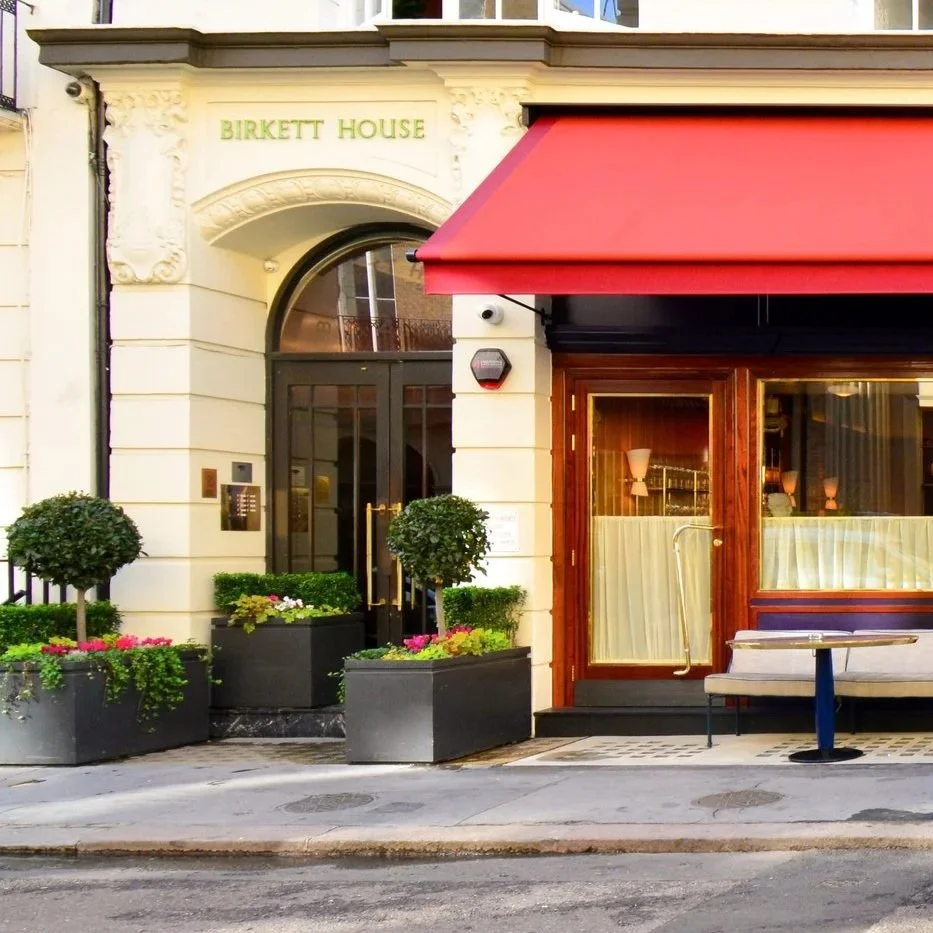
Why the Final Details Matter
When a commercial project is being planned, attention naturally goes to the larger design decisions first.
Flooring, lighting, wall finishes, joinery and furniture establish the overall character of the space. But once those elements are in place, it is often the smaller details that determine whether the finished result feels truly considered.
Door furniture sits firmly within that final layer of design.
A pull handle, lever or piece of architectural hardware may appear to be a relatively small part of a project, but it is one of the few elements that people interact with directly, often before they experience the rest of the space.
That first physical interaction matters.
The weight of a handle, the quality of the finish and the way it complements the surrounding materials all contribute to the impression a space creates.
Design That Belongs in the Space
The best door furniture does not feel added on at the end of a project.
It feels as though it was always part of the design.
In a contemporary office, that might mean clean lines and understated finishes that complement glazing, lighting and joinery.
In a hospitality setting, a more distinctive pull handle could help create a stronger sense of arrival.
In a reception or shared commercial space, the right finish can connect with other elements such as signage, metalwork, lighting or interior detailing.
The objective is not simply to choose something that looks attractive in isolation.
It is to select door furniture that belongs within the wider interior.
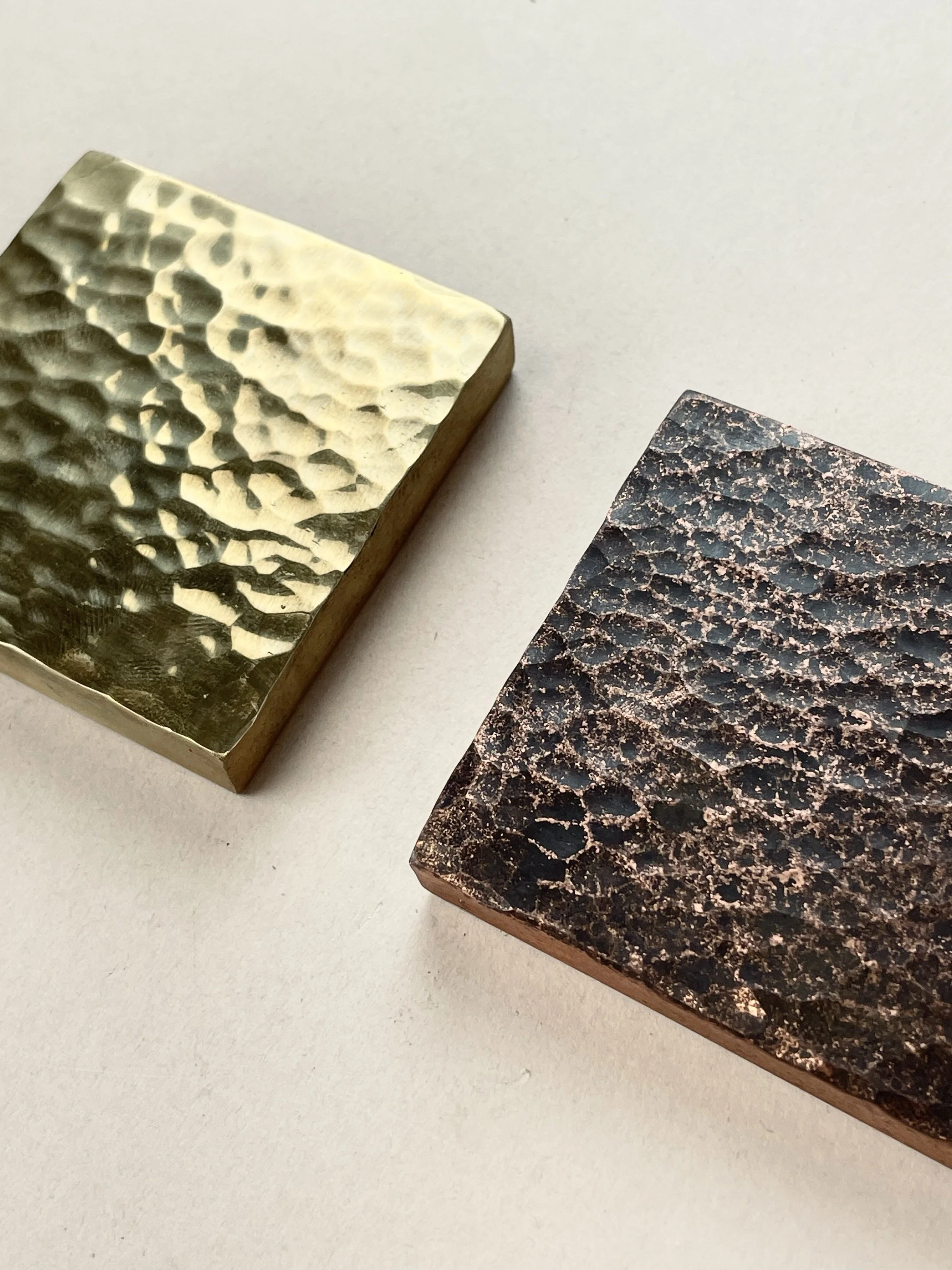
The Balance Between Design, Durability and Functionality
At Ash Door Furniture, we believe successful commercial interiors balance three things: design, durability and functionality.
A product can look exceptional, but in a busy commercial environment it also needs to perform.
Door furniture may be used repeatedly throughout the day, particularly in hotels, offices, restaurants, residential developments and public-facing buildings.
That means specification should go beyond appearance.
The right solution needs to suit the door, the level of traffic and the demands of the environment while still supporting the design intent.
This is where commercial door furniture needs to work harder.
It should look considered on day one, but it should also continue to perform reliably long after the project has opened.
Creating a Strong First Impression
Entrances deserve particular attention.
Before a visitor sees a reception desk, enters a meeting room or sits down in a restaurant, they have already interacted with the entrance.
That moment forms part of their first impression.
A well-proportioned pull handle can give a large entrance door greater presence, while a carefully chosen finish can introduce a sense of quality before the visitor has even stepped inside.
For designers and specifiers, this makes entrance door furniture an important part of the overall experience.
It is both a functional requirement and a design opportunity.
Proportion Is Just as Important as Finish
When specifying pull handles and other architectural hardware, proportion can make a significant difference.
A handle that works perfectly on a smaller internal door may appear lost on a large commercial entrance.
Equally, an oversized piece of hardware can overwhelm a more restrained design.
Considering the scale of the door, the surrounding architecture and the intended visual impact helps create a more balanced result.
This is particularly important on tall doors, wide entrance panels and glazed commercial entrances, where the hardware often becomes a visible part of the architecture itself.
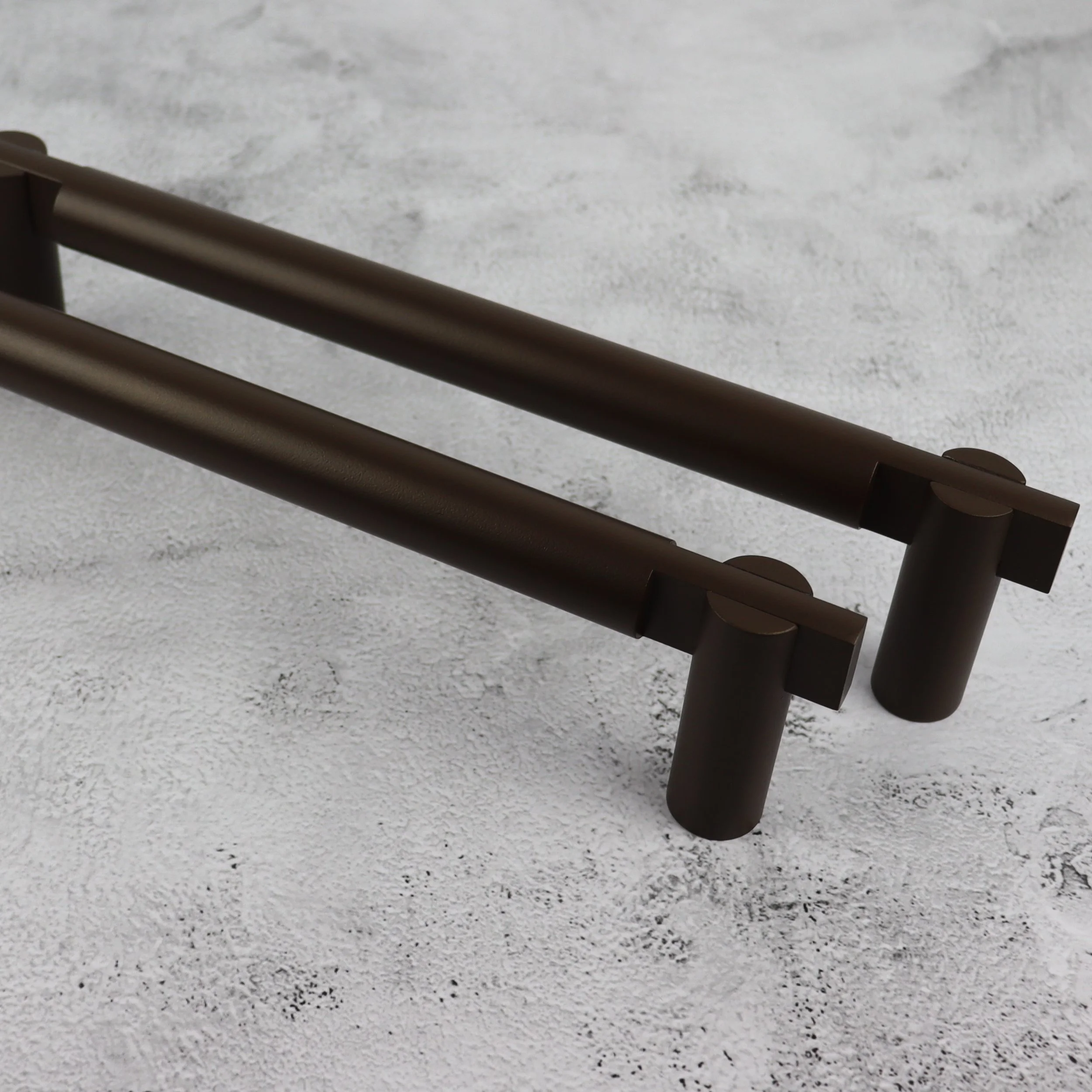
Specifying for Busy Commercial Environments
Commercial interiors are designed to be used.
That sounds obvious, but it is an important consideration when selecting the final details.
Door furniture in a busy restaurant, workplace or hospitality setting may experience a level of use that is very different from a low-traffic residential environment.
The specification therefore needs to reflect the reality of the space.
Durability, fixing methods, finish, maintenance and suitability for the application all need to be considered alongside aesthetics.
The result should be hardware that feels appropriate to the interior while also standing up to everyday use.
Planning Ahead for Autumn Projects
August is often a useful point in the year to look ahead.
Businesses begin planning autumn refurbishments, new openings, phased upgrades and projects that need to be completed before the end of the year.
It is also a good opportunity to review the details that can sometimes be left until late in the specification process.
Door furniture may be one of the final pieces of the puzzle, but leaving it too late can limit choice and make it harder to achieve a cohesive result.
Considering it earlier allows finishes, proportions and styles to be coordinated properly with the rest of the scheme.

The Difference Is Often in the Details
Some of the most successful commercial interiors are not defined by one dramatic feature.
They work because every element feels intentional.
The flooring connects with the joinery. The lighting supports the atmosphere. The finishes feel consistent. And the smaller details reinforce the overall design rather than distracting from it.
Door furniture is part of that story.
It may be one of the last elements to be installed, but it can play an important role in how a space is perceived and experienced.
When design, durability and functionality come together, those final details can help turn a finished project into a space that feels complete.
Planning Something for the Months Ahead?
Whether you are working on a full commercial fit-out, an autumn refurbishment, a new opening or a smaller interior update, Ash Door Furniture can help you specify door furniture that suits both the design and practical requirements of your project.
From statement pull handles to carefully considered architectural hardware, our team can help you find the right finishing details for your space.
Planning an upcoming project? Speak to the Ash Door Furniture team to discuss your requirements.